
The Business of Making People Care
A gym has a ceiling. A community doesn't. SweatBox found a second business inside its gym: ETFC, an entertainment property built around fighters, stories and an audience that helped spread it.
What if your artwork could become a trading card?
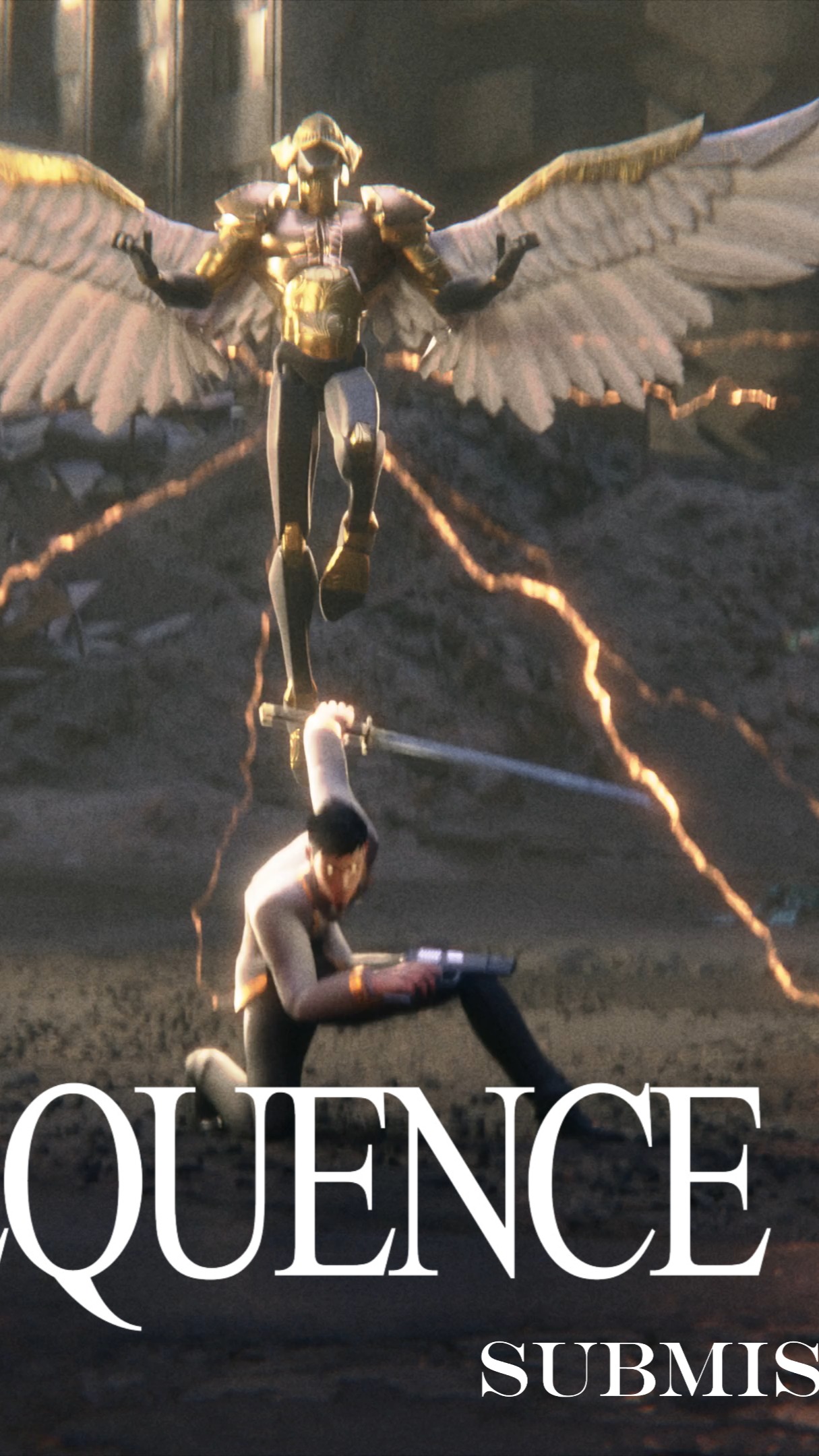
That is the idea behind Gauntlet of Gods, a 3D community challenge from artist Clinton Jones, better known as Pwnisher. This time, instead of simply submitting a render and moving on, artists are creating animated trading cards for a community-built game.
Everyone starts with the same basic 3D template and a set of hand-animated rigs. What they do with them is up to them. Every submission becomes a playable card in the free online game. The top 100 get an even bigger upgrade: their designs will be printed, packaged and shipped as part of a limited physical edition, with profits going to UNESCO's International Fund for Cultural Diversity.
It's a clever setup. Give thousands of artists the same starting point and see just how differently they interpret it. And among the submissions, we started noticing quite a few coming from Ethiopia.
The technical bar is high.
Creating something for a challenge like this means dealing with 3D modelling, animation, lighting, materials, physics and rendering, then somehow getting all of it to work together as one convincing piece. For Ethiopian artists taking part, the challenge is also an opportunity to put their work in front of a global community of 3D artists.
But the more interesting part isn't the software. It's what they bring to it.
Give artists the same tools, the same template and the same basic rules, and you might expect the results to start looking similar. They don't.
Visual culture has a way of sneaking into the work. Ancient figures, Ethiopian architecture, religious imagery, local folklore, clothing, symbols and characters can all become source material for something built entirely inside a computer. The tools might be global. The visual memory isn't.
The results are a pretty good argument for why these challenges matter. Not because every submission needs to be technically perfect, but because they create a strange little meeting point between artists who might otherwise never encounter each other's work.



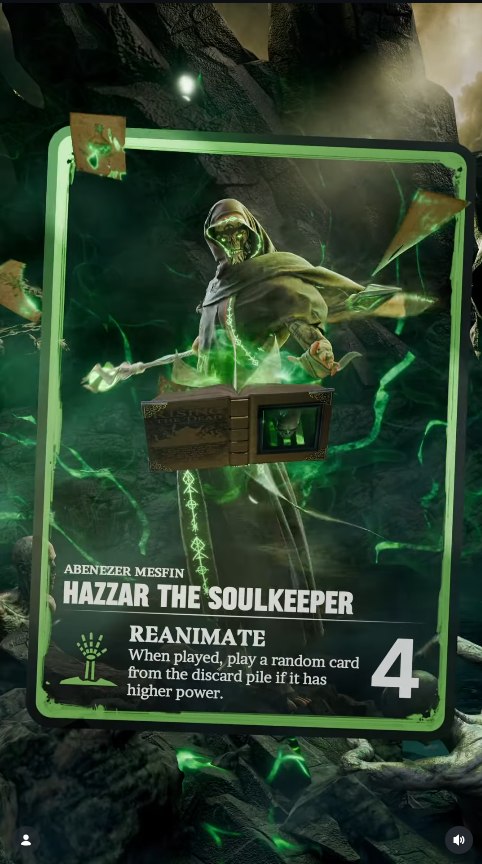

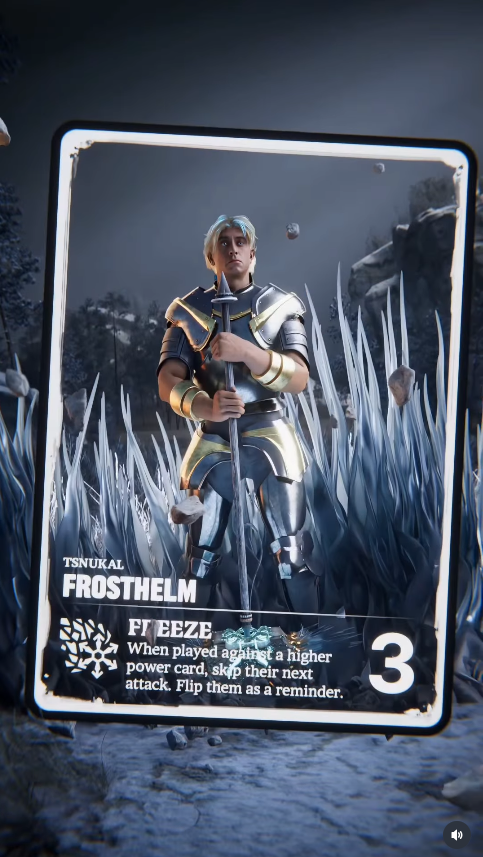
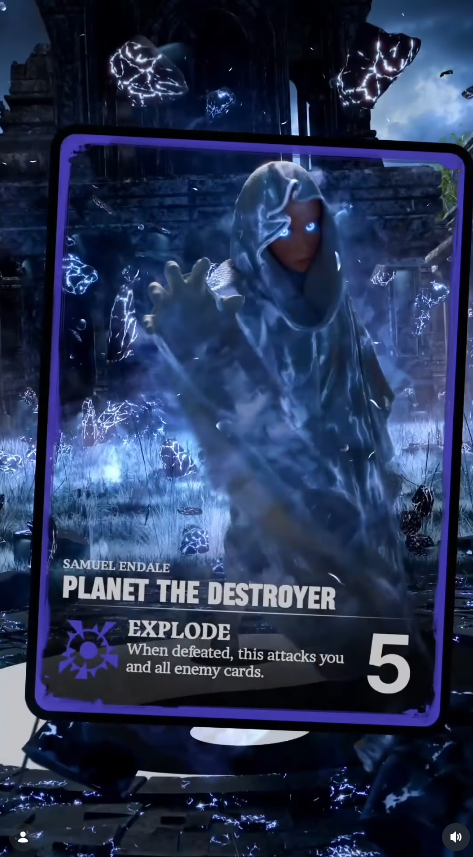

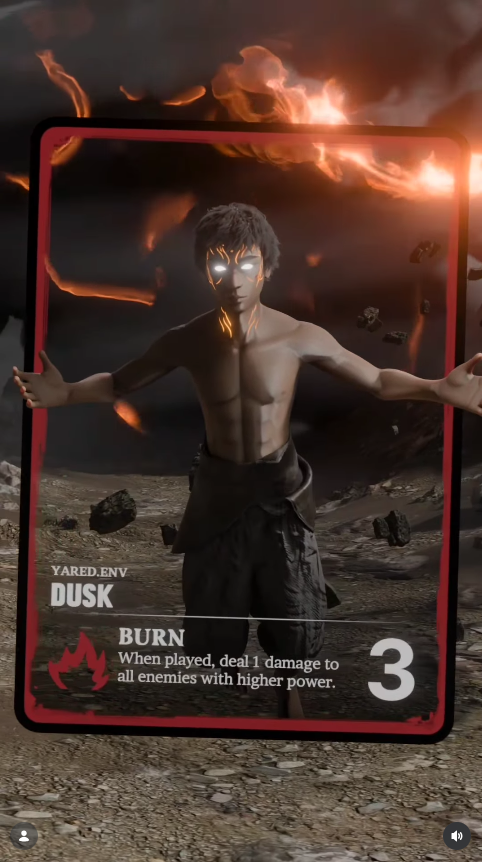
A designer in Addis can build a character, animate it, render it and put it into the same digital game as someone working thousands of kilometres away.
No gatekeeper. An international studio not needed. Just a computer, a set of tools and something worth making. That is a relatively new kind of creative access.
The people making these pieces are not working in complete isolation. Across Addis Ababa, young designers, animators and technologists are finding each other through studios, creative communities, workshops, hackathons and online spaces. Someone discovers a better way to rig a character. Someone shares a lighting setup. Someone sees a piece of work and thinks, I want to figure out how they did that. That's how creative communities get built.
Challenges like Gauntlet of Gods give those communities somewhere to point their energy.
For Ethiopian 3D artists, the opportunity isn't simply to prove that they can use Blender or produce a technically impressive render. It's to experiment with what Ethiopian visual culture can look like when it enters a medium that is still finding its language here. Maybe that's the part worth keeping an eye on.
Because the interesting question isn't whether Ethiopian artists can enter the global 3D conversation. They already have.
The question is what they'll build once they realise how big the playground is.
Support this essay. Readers can contribute up to 50 claps to the studio tally.
A gym has a ceiling. A community doesn't. SweatBox found a second business inside its gym: ETFC, an entertainment property built around fighters, stories and an audience that helped spread it.
Before Illustrator, Canva, Pinterest and AI, there was one kid who could draw, carbon paper, and a neighbourhood ready to copy. Somehow, those humble New Year drawings became a visual language nobody ever formally designed.